Spain: Zeleros has filed for voluntary insolvency. A court has declared the company insolvent and placed it under external administration. The start-up failed to attract enough investment to continue its development.
Zeleros was founded in 2016 by students of the Polytechnic University of Valencia who had taken part in SpaceX’s Hyperloop Pod Сompetition. In the following years it raised more than €15 mln from private and public investors to fund design work, scale models and test rigs.
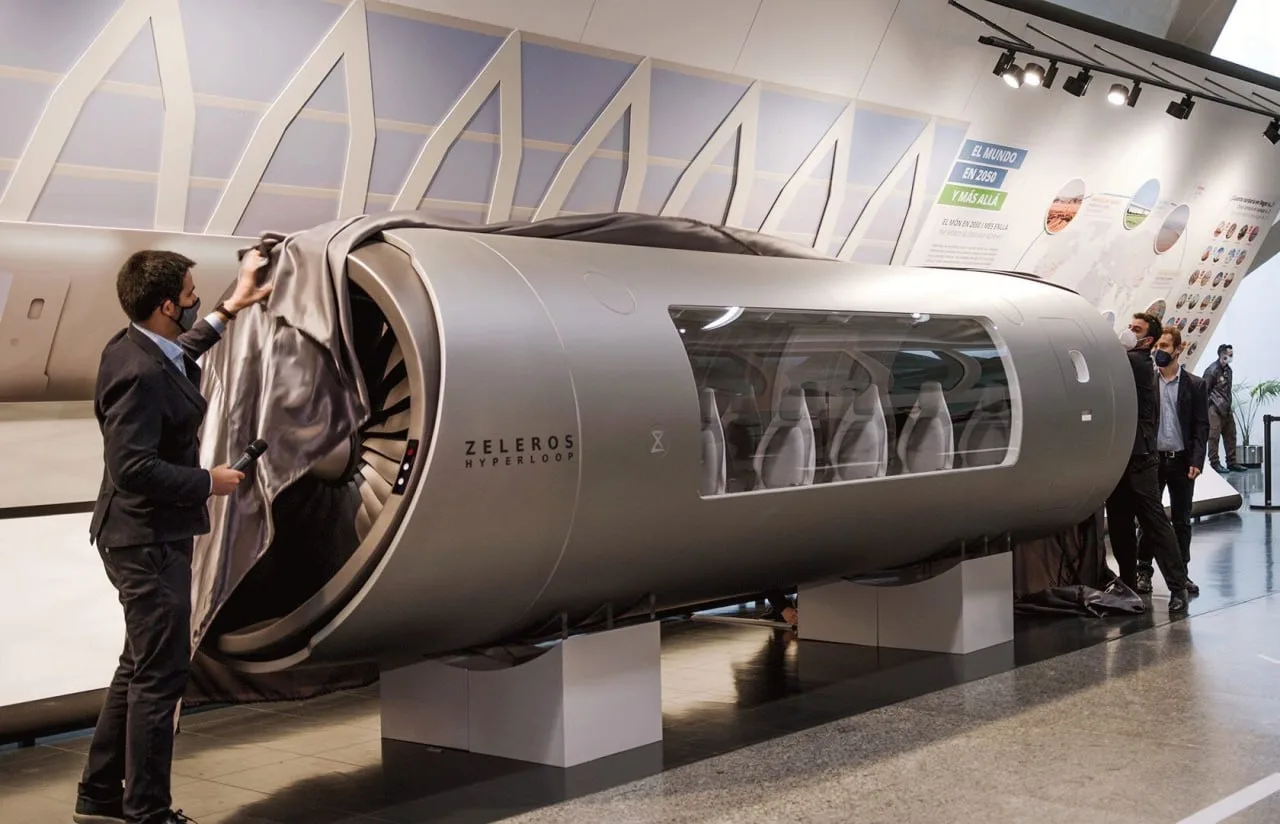
Zeleros differed from other hyperloop projects in its hybrid propulsion: a linear electric motor would accelerate the capsule, with cruise propulsion then provided by an onboard electric compressor powered by an onboard battery. The company argued that this would reduce infrastructure costs and make the system easier to scale.
Over the past two years Zeleros had tried to move into adjacent sectors, announcing work on autonomous rail platforms (similar to those of US-based Parallel Systems), a freight maglev for port applications, and batteries for automotive and aviation use. None of these projects secured stable funding either. Headcount fell from 80 in 2023 to 26 in 2026.
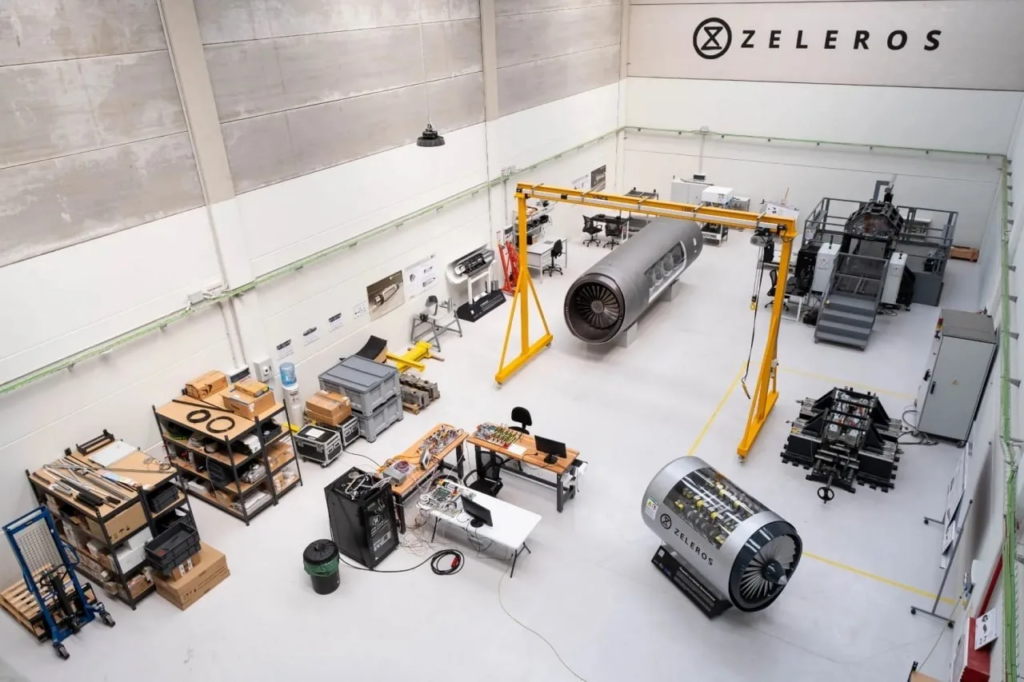
At the same time as the insolvency filing, Spanish industrial and energy group Amper submitted a bid for Zeleros’ production unit. Spanish media put the value of the proposed deal at €958,000, of which around €445,000 would go to repaying debts. Amper has said it is interested in the electromagnetic linear motor technology—which it intends to use as a launch system for UAVs—and in the battery work.
Zeleros is the second start-up in the sector to fold this year, following the bankruptcy of Dutch developer Hardt Hyperloop. The first, US-based Hyperloop One, ceased operations in early 2024. Vacuum-based maglev projects are currently most active in India and China.